
Dual Enrollment Readiness for College Coursework
College coursework can be particularly challenging for some students to adapt to. Students who struggle with introductory college courses face an immense obstacle. They realize that they neither think nor approach their course assignments with the critical analysis expected of them. Colleges are more accepting of high school students. They allow them to take college courses through dual enrollment. Advanced Placement and early college admission programs are also available. Students are required to take courses quickly. These courses push them through intellectual experiences and emotional situations. They are not prepared for these challenges. Let’s examine the challenges that high school students face when taking college courses. We will assess their readiness for college across the academic, emotional, and critical-thinking domains.
Academic and Emotional Challenges for Dual Enrollment Students
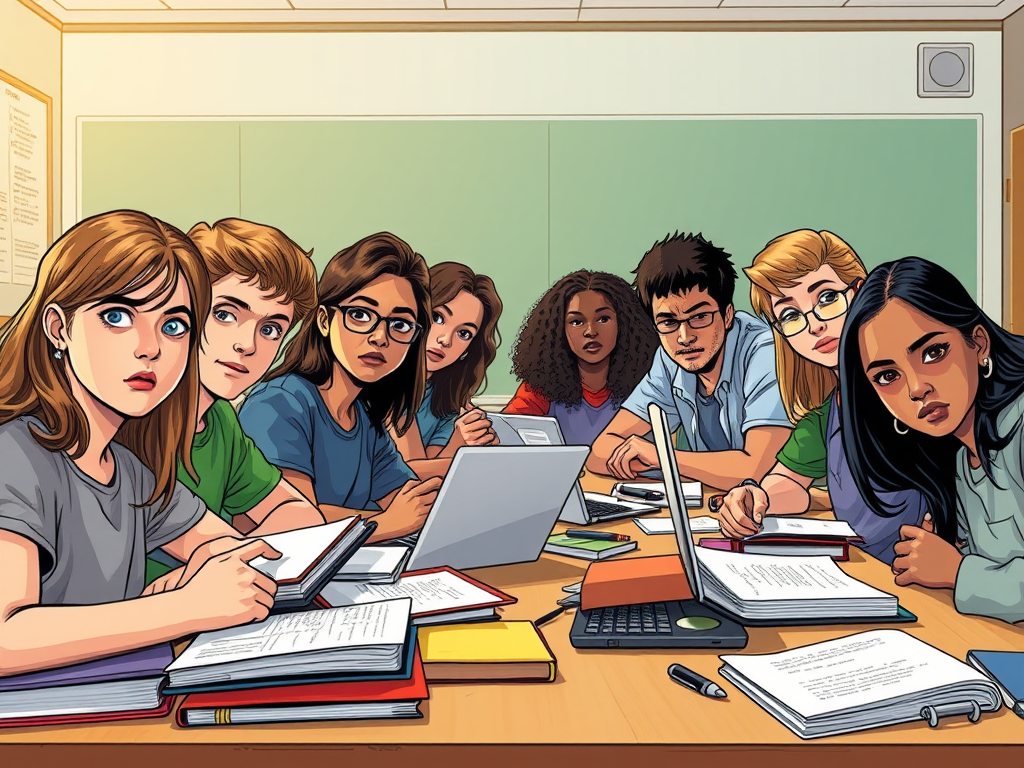
At the academic level, high school students who enroll in college courses experience college life differently. From having to finish much longer and more daunting assignments, to actually understanding and keeping up with college-level material. College courses move at a faster pace with minimal assistance and direction from the professor. These students often feel lost and overwhelmed, as they are expected to keep up with older, more academically advanced peers. Many of these students are used to being told what to do and when to do it. College coursework requires them to think independently, manage their time, and develop self-direction. Research also indicates that students experience high levels of stress when taking college courses. These students may not be emotionally mature enough to manage the stress linked to taking college courses. College can be a very anxiety-provoking experience. As a younger student taking college courses, you face higher expectations. You also compete with older students who have had more time to develop their skills. Another cause of stress is that most high school students are in Erikson’s developmental stage of identity versus role confusion. This means they are easily influenced by failure. Criticism also affects them. Your emotional development can impact your ability to socialize. High school students may find that it plays a significant role in their interactions with other students. College students often experience loneliness upon entering college due to separation from friends and family. Research indicates that age can play a factor in this feeling of loneliness. Younger college students experience this more. They often struggle to be resilient when they are the youngest person in the room. These students are more likely to experience feelings of loneliness. They also face higher levels of impostor syndrome and social awkwardness. This could potentially cause them to struggle with their mental health and grades.
The Critical Thinking Gap in Dual Enrollment Students
Critical thinking is not a skill many high school students are prepared to show in college. Many students develop critical thinking skills throughout college. These skills should be introduced to high school students taking college courses. Critical thinking is taught as a separate course in many colleges. Placing a high school student in a college course can overwhelm them. Asking them to think critically can add to this challenge. It is challenging for high school students to understand college-level information. Processing this information is even more difficult for them. When you compare how high school students think and learn with college students, you notice something. High school students do not enjoy questioning. They do not examine ideas like college students do. Most high school students prefer to be taught rather than to think through problems and find solutions. Cognitive development also influences how students think about and process information. From a cognitive standpoint, many high school students have not reached the formal operational stage. They have not been challenged to question everything. They have not considered topics without definitive answers. They have not examined issues from multiple perspectives. They have not formed their own opinions while understanding opposing arguments. Discussion-based classes can be very difficult for students. They find it hard if they are not used to speaking their minds. Voicing opinions that may not be fully formed can be daunting in front of older classmates. Additionally, young students have not yet developed the capacity to think in ambiguous terms. When you face moral, ethical, or complicated situations, you must think on a higher level. This level is very abstract. High school students tend to view issues in black-and-white terms. This happens because they have been taught to think this way for their whole lives. Instead of coming to a college classroom ready to learn, high school students come ready to get an answer. They are not prepared to consider other topics. Whether that answer is correct or not. Research shows that critical thinking must be learned and developed over time. Students who have not developed these critical skills can struggle. They find it challenging when asked to think critically on exams and essays. High school students are still undergoing brain development. It can be very difficult for them to reach that higher level of thinking required by college professors.
Supporting Dual Enrollment Students for College Readiness Success
High school students can take college courses. This opportunity allows capable students to get a head start on their education. As colleges admit more high school students, they must ensure they meet these students’ needs. Implementing assignments that develop students’ higher-order thinking skills can help them. Providing a strong support system is also beneficial. Furthermore, having instructors who understand how to reach these students is essential. These strategies can help students gain from cognitive and socio-emotional experiences that support their transition to college-level study.
Dual-enrollment readiness doesn’t happen on its own at FLCHS. We strategically cultivate the academic focus, emotional resilience, and critical-thinking skills students need before they start college classes. FLCHS provides support and opportunities for leadership. We offer instruction in independent thinking. As a result, we guide high school students toward success in dual enrollment. This ensures they enter college classrooms prepared.
Leave a Reply